CSAW.EXE
Get Rid Of CSAW.EXE from Chrome
CSAW.EXE causes following error 0x80240001 WU_E_NO_SERVICE Windows Update Agent was unable to provide the service., 0x00000022, 0x0000001B, 0x8024401B WU_E_PT_HTTP_STATUS_PROXY_AUTH_REQ Same as HTTP status 407 - proxy authentication is required., 0x00000050, 0x000000BF, 0x80246FFF WU_E_DM_UNEXPECTED There was a download manager error not covered by another WU_E_DM_* error code. , 0x00000105, 0x8024F004 WU_E_SERVER_BUSY The server rejected an event because the server was too busy., 0x00000057Safely Delete CSAW.EXE From Infected Operating System
CSAW.EXE is a harmful program which is reported to infect number of Operating System. Like other Operating System infection, it also intrude silently in its targeted Operating System. It is difficult to detect its existence because the threat run all its malicious process in the background of Operating System. The first thing this threat do after invasion is to modify Operating System settings. Through this way it get the persistence to execute its malicious services freely. Most of the user don't know how this threat come in their Operating System because it comes via tricky ways like bundled with software, spam email, infected site etc. This nasty program not let you do any activity properly even you can't surf Internet properly. In addition, it is also reported for bringing other malware which badly damage the Operating System. Presence of this threat also put your privacy on risk. So if you don't want to suffer these issue then Delete CSAW.EXE now.

Method 1 : Start Your Operating System In Safe Mode With Networking
Method 2 : Removing CSAW.EXE From Control Panel
Method 3 : Removing CSAW.EXE From Registry Editor
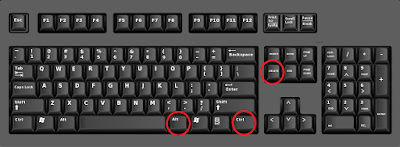
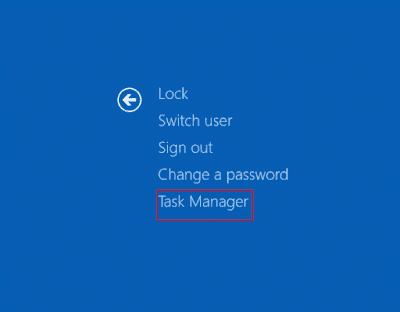
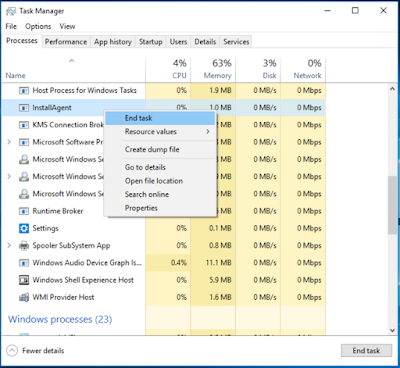
Method 4 : Block Related Process To CSAW.EXE From Task Manager
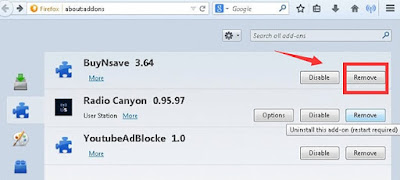
Method 5 : Removing CSAW.EXE From Firefox
Method 1 : Start Your Operating System In Safe Mode With Networking
For Windows XP/Vista/7
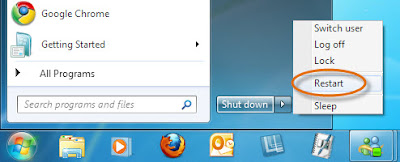
- Open the 'Start' menu > click on 'Restart' option.
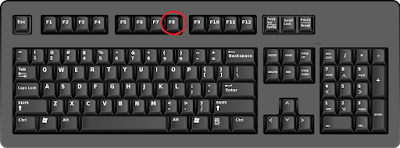
- Continue pressing 'F8' button when the Operating System start booting.
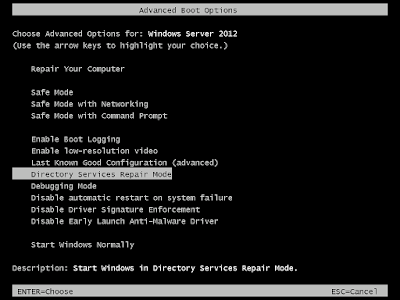
- It will open 'Advance boot menu' on the screen.
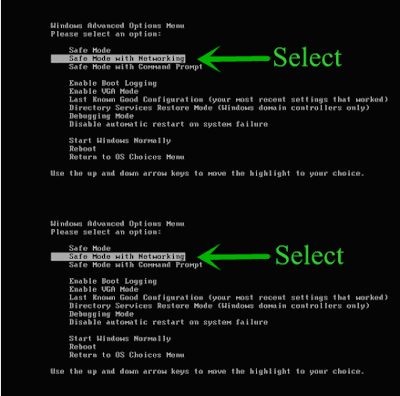
- Now choose 'Safe Mode With Networking' > press Enter.
For Windows 8/10
- Go to 'Start' menu and click on 'Restart' button by holding shift button.
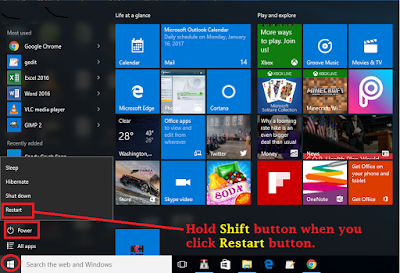
- From the opened window, Select 'Troubleshoot' option.
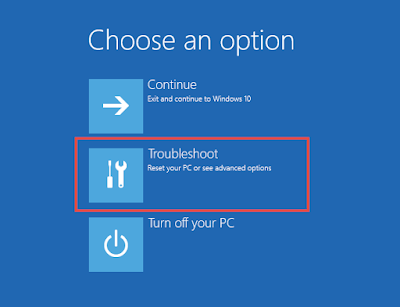
- After that click on 'Advanced' Options.
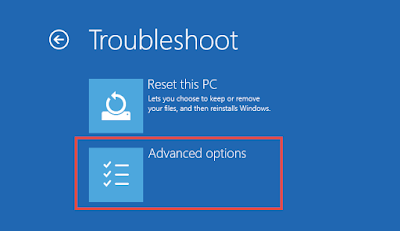
- Then Select the 'Start-up Settings' option.
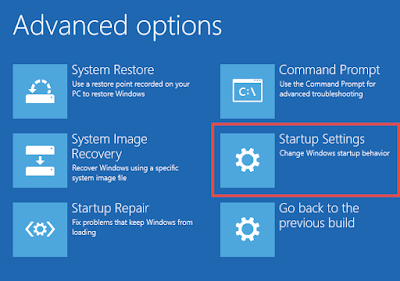
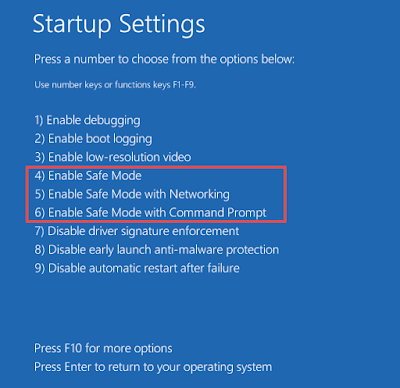
- Choose 'Enable Safe Mode option' then click on Restart.
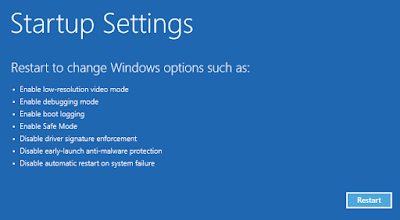
- Finally select 'Safe Mode With Networking'.
Method 2 : Removing CSAW.EXE From Control Panel
Delete CSAW.EXE From Windows XP
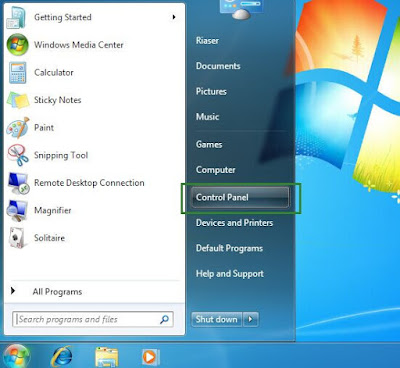
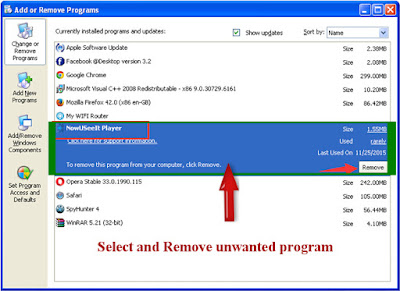
- From the start menu, click on 'control panel'.
- Then go to Add or Remove programs option.
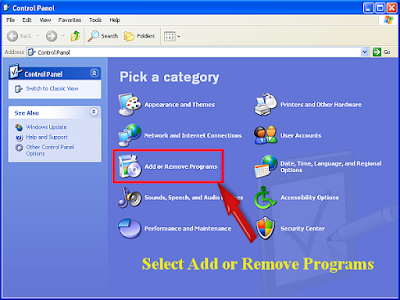
- Find out and Delete CSAW.EXE related program from Operating System.
Delete CSAW.EXE From Windows 7
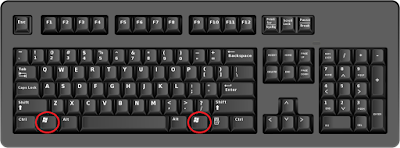
- First of all, press the 'Windows' button.
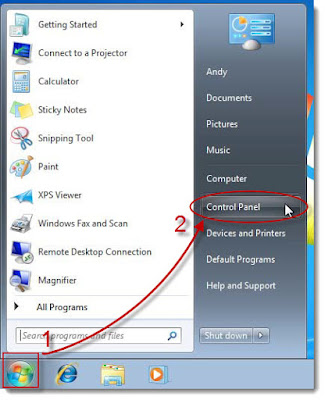
- Then select Control Panel from start menu.
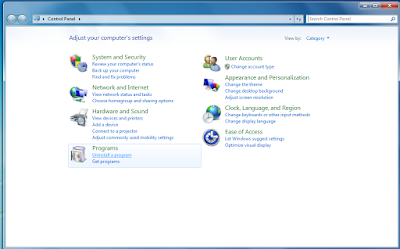
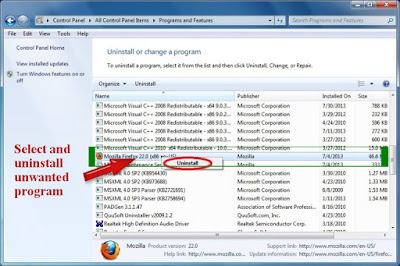
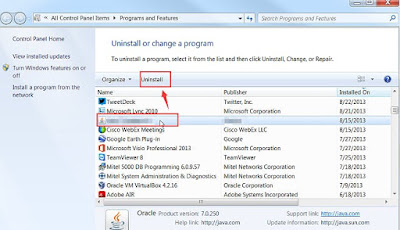
- From the program menu, select remove a programs option.
- Then select CSAW.EXE related program and remove them.
Delete CSAW.EXE From Windows 8
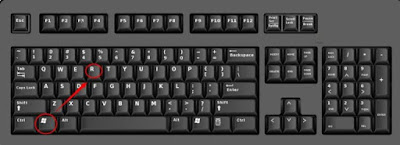
- Open the Run Box by pressing Win+R key together.
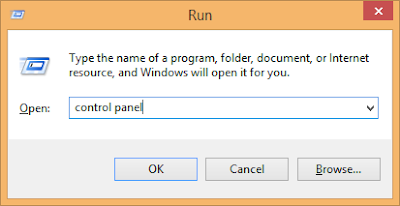
- In the Run box type 'control panel' and press Enter.
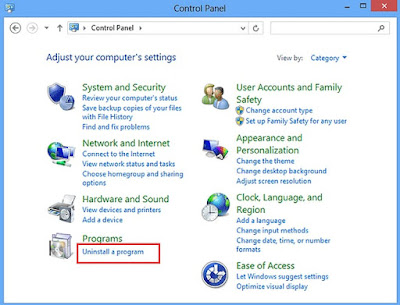
- Then Click on the uninstall a program option.
- Right-click on CSAW.EXE related, click on remove option.
Delete CSAW.EXE From Windows 10
- From the start menu select the Settings option.
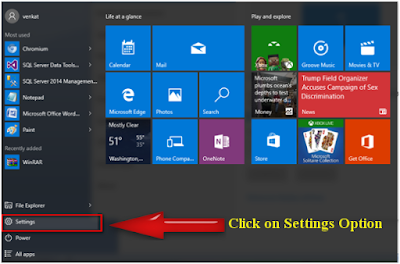
- Then you have to select system option.

- Then click on the Apps and Features option.
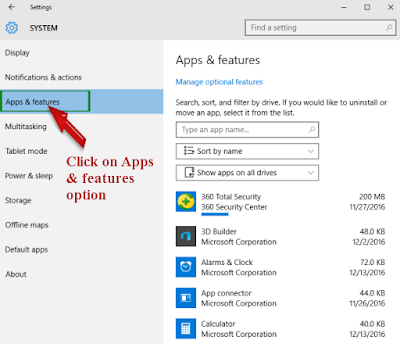
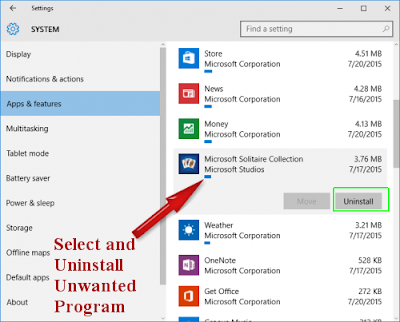
- Search for CSAW.EXE related program and Delete them.
Method 3 : Removing CSAW.EXE From Registry Editor
- You have to press Win + R keys together to open Run window.
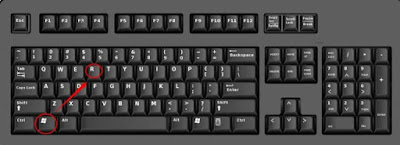
- After that type 'regedit' in the box and click on OK.

- Find out CSAW.EXE related registry and Delete them.
HKEY_LOCAL_MACHINESYSTEMCurrentControlSetServicesWpm
HKEY_CURRENT_USERSoftwareMicrosoftInternet ExplorerMain 'Default_Page_URL'
HKEY_LOCAL_Machine\Software\Classes\CSAW.EXE
HKEY_CURRENT_USER\Software\Microsoft\Windows\CurrentVersion\Run '.exe'
HKCU\Software\Microsoft\Windows\CurrentVersion\Internet Settings\random
HKEY_LOCAL_MACHINE\SOFTWARE\Microsoft\Windows\CurrentVersion\run\random
HKEY_CURRENT_USER\Software\Microsoft\Windows\CurrentVersion\Internet Settings 'CertificateRevocation' = ’0

No comments:
Post a Comment